


Gastritis is a general term for a group of diseases characterized by inflammation, irritation or erosion of the gastric mucosa.The causes of gastritis can be bacterial or viral infections, stress, certain medications, excessive alcohol consumption, bile reflux... With these prerequisites, it is not surprising that one out of every two people on the planet suffers from gastritis.For some it is asymptomatic, for others it occurs suddenly (acute gastritis), and for others it prevents them from surviving permanently (chronic gastritis).The symptoms of gastritis are as follows:
- upset stomach;
- Loss of appetite.
- Hiccups.
- Bloating.
- nausea.
- Vomit.
- stomach ache.
- The stool is dark in color and has the consistency of tar.
All of these are very unpleasant, and even more unpleasant are the possible consequences of gastritis - such as ulcers or stomach cancer.But wait for the panic!This disease is not that scary if you follow a gastritis diet.
Who needs to eat with gastritis?To everyone whose life he poisoned in one way or another.Since gastritis is an inflammation of the stomach, it is extremely important to monitor what enters the stomach.Some foods can cause inflammation to develop and worsen, while other foods can do the opposite and "calm" inflammation.Even if gastritis is asymptomatic, you should still follow a diet that, at least in general, can prevent the condition from getting worse.
What should you not eat if you have gastritis?
The key to gastritis nutrition is not to irritate an already irritated stomach, which means eating the most neutral foods possible.Of course, this does not mean that you can only eat chicken and steamed vegetables without salt until the end, but you must give up all kinds of spicy, salty, dried, and smoked foods, especially if your doctor prescribes a diet for high-acidity gastritis.So, what things should not be eaten?

- Spicy dishes.These include many national dishes: Korean kimchi, Thai tom yum gong, Mexican tacos.
- Fatty foods.This also includes fast food - which contains much higher fat content than usual.Research has repeatedly shown that eating too much fat can worsen gastritis, and you certainly don’t want that.
- Alcohol.Any alcohol is a risk factor for gastritis attacks, so it's best to abstain from alcohol altogether.Even a small amount can be the straw that breaks the camel's back.
- Highly acidic foods.This includes citrus fruits, for example.
- Candy and pickles.Alas, both can irritate the stomach lining, so you have to salt and add sugar to your food in moderation.This also includes industrially produced juices and sodas - which are not on the list of drinks you can drink if you have gastritis anyway.
- bakery.It's best to buy or bake whole wheat bread.
- Kvass.Absolutely not.
- Fermented dairy products.The stomach lining is not friendly to them either.This also includes whole milk.You can use sour cream, but not too much.
- Spices and Sauces.Watch out for them: even ketchup can cause an attack, let alone sauce.The grinder containing the chili mixture had to be removed from the table and the mustard was superfluous.
Sometimes the cause of inflammation may be an allergy to something, but this is very rare.
To make it easier for you, here are some examples of foods to exclude from your gastritis diet.
You can’t eat:Sausages, fresh bread, baked goods, fatty cheeses, sweets and cakes, pickles, cakes, scrambled eggs, schnitzel, chowder, cacho, dried meats, cherries, gooseberries, lingonberries, French fries, convenience foods, fatty meats, onions, corn, chocolate, nuts, garlic, boiled eggs, ready meals, liver, fatty fish (salmon, tuna), canned foods, beans, mushrooms, unripe fruits.
You cannot drink:Cocoa, strong tea, juice, any alcohol, carbonated sweet drinks, energy drinks.
In general, nutrition for gastritis depends on the acidity of the stomach and, accordingly, whether it needs to be increased, decreased, or "kept the same."
If your acidity is high, eliminate extra coffee, rye bread, citrus fruits, tomatoes, meat and fish stock, radishes, bok choy, pearl barley, barley and millet.However, even with low acidity, you should not overdo it with all of these products.By the way, if the temperature is high, you can make milk soup, but if the temperature is low, you shouldn't.
In addition, food sensitivities may vary from person to person, so, for example, cabbage, nuts or dairy products for gastritis can be tried (strictly outside of exacerbations and in small doses).If everything is normal, then small doses of these products can be retained in the diet.However, the "let's try it" approach definitely doesn't work with greasy, spicy, or salty foods, and it certainly doesn't work with alcohol.The stomach here certainly doesn't say thank you, and it's not because it can't speak.
Gastritis diet: what to eat
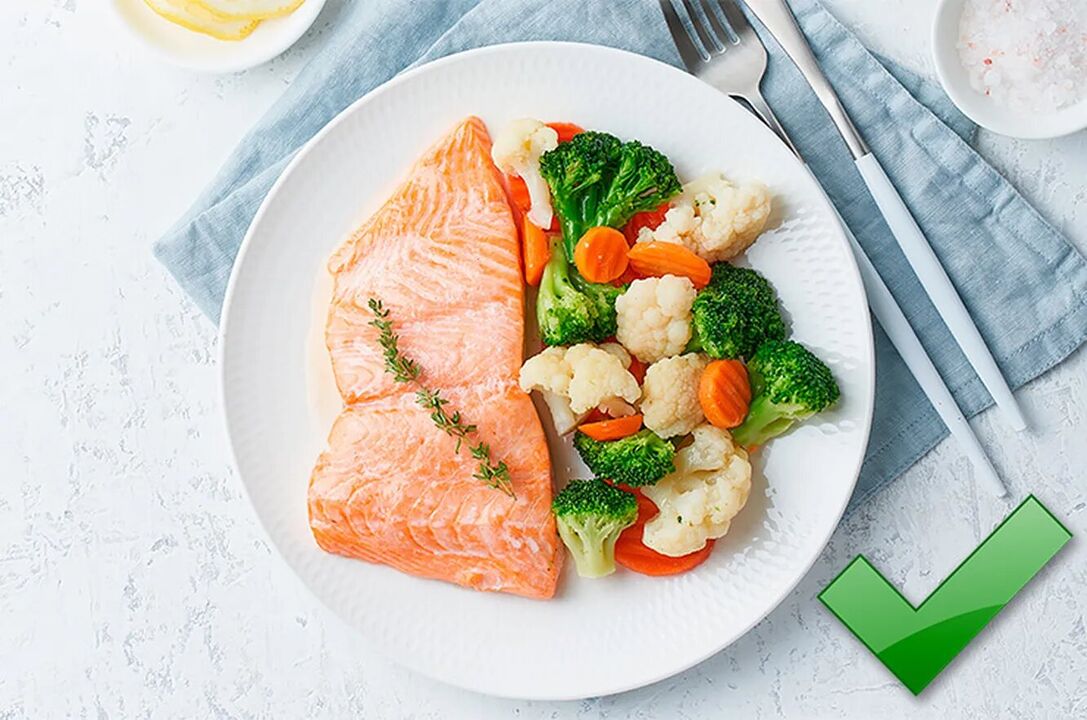
Let’s talk about what you can eat if you have gastritis.It may seem like we've named everything in the previous paragraph, but luckily, that's not the case.However, before discussing the list of permitted products, we will give general advice from physicians.so:
- Eat small, frequent meals – that is, eat small amounts frequently to avoid overtaxing your stomach.5-6 times a day – the inflammation will start to calm down.
- Food should be hot.Foods that are too cold or too hot can irritate the stomach lining, causing increased inflammation.
- The more thoroughly you chew, the better.Whether you have high-acidity gastritis or low-acidity gastritis, a gastritis diet primarily involves eliminating foods that may mechanically irritate the stomach.This is why it is recommended to eat pureed, pureed foods during an exacerbation of the condition.
- Everything should be stewed, boiled or steamed.You shouldn't eat fried food.
Let’s get to the point: What can you eat with gastritis?The list is going to be pretty impressive.There will be no special problems if you eat it:
- Lean meat: chicken, turkey, preferably rabbit.Steamed pork chops, roasted meats, tongues.
- Low-fat fish: Cod or hake.
- Dry white bread, maybe yesterday's bread.
- Dairy products are low in fat and sugar and are good for probiotics.
- Pasta (smaller, whole-wheat pasta is better, but regular pasta such as "spider web" will work too).
- Vegetables: Broccoli, pumpkin, carrots, cauliflower, potatoes, zucchini.You can have vegetables - dill, parsley, just cut them smaller.
- Fruit: Baked apples are number one.If the acidity is low, citrus fruits can be used.All fruits must be ripe.
- Sweets: marshmallows, marshmallows, honey, sour jam or a small amount of jam.
- Dairy products: cottage cheese and cheese dishes, low-fat milk, kefir, yogurt.
- Oil: Butter or refined vegetable oil.
- Broth: vegetables, low acidity, meat and fish, anyway - weak.
- Grains: buckwheat, rice, oatmeal, semolina for porridge, pudding or casseroles.
- Eggs: medium-boiled, in the form of a steam omelet (which, by the way, works great in the microwave).
As you can see, this disease allows you to eat a varied and balanced diet.If the child has already been diagnosed with stomach inflammation, then it is not worth asking the question of what to eat with gastritis, just follow the list above.Now let’s talk about drinking:
- Dried fruit preserves and more – we remember kindergarten.Very delicious and healthy by the way.
- Kissel.
- Light tea.
- For low acidity – coffee.
- Rosehip Soup.
Let us repeat it again - it is especially important to follow the diet during an exacerbation and for two weeks after it.You can indulge at other times, but it's best not to get carried away, otherwise you will have to eat porridge and soup for half a month, which will not be good.
Approximate weekly diet for stomach inflammation
Below we have prepared for you a menu from which you can learn how to eat with gastritis.We hope it helps you!

Monday
Breakfast: oatmeal with a stick of butter and a spoonful of honey.
Second breakfast: yogurt.
Lunch: vegetable soup.
Snacks: light tea, marshmallows.
Dinner: Spaghetti with steamed pork chop.
Tuesday
Breakfast: boiled eggs, candied fruits.
Breakfast No. 2: Cheese Casserole.
Lunch: Meatballs with steamed vegetables.
Snack: baked apples.
Dinner: Chicken or vegetable soup with white croutons.
Wednesday
Breakfast: semolina porridge.
Second breakfast: a cup of yogurt and marshmallows.
Lunch: rice and fish.
Snack: Banana
Dinner: Vegetable Casserole (in case you have leftover veggies from Tuesday).
Thursday
Breakfast: lazy dumplings.
Second breakfast: dry bread, low-fat cheese.
Lunch: Vegetable soup with chicken meatballs.
Snack: Apple pie (not fried).
Dinner: Boiled meat and vegetable salad.
Friday
Breakfast: steamed eggs.
Second breakfast: pears.Better to peel off the skin.
Lunch: Buckwheat porridge with chicken breast.
Snack: curd pudding.
Dinner: Stewed and steamed vegetables.
Saturday
Breakfast: Cheesecake (less oil, don’t fry too much).
Second breakfast: pie with boiled meat.
Lunch: Pilaf and fruit.
Snack: Jelly.
Dinner: Potatoes and meat casserole.
Sunday
Breakfast: Pasta machine.
Second breakfast: banana smoothie.
Lunch: Boiled hedgehog with broccoli.
Snack: Cheese Soufflé.
Dinner: Beetroot soup (if fresh vegetables can be tolerated).
Drinks can be added to all of these at will - whatever you like best, and it won't cause a stomach ache.It can be seen that even if you suffer from gastritis, the nutrition of gastritis cannot be called insufficient.We've also found some recipes for you that will help calm your stomach, or at least not hurt it.
Recipes for stomach inflammation
Vegetable puree soup
Ingredients: Any vegetable that doesn’t give you a tummy ache, like zucchini, a handful of broccoli, a few potatoes and a few carrots, water, a third of a cup of cream (again, if your tummy doesn’t hurt, otherwise you can substitute butter), herbs and salt to taste.
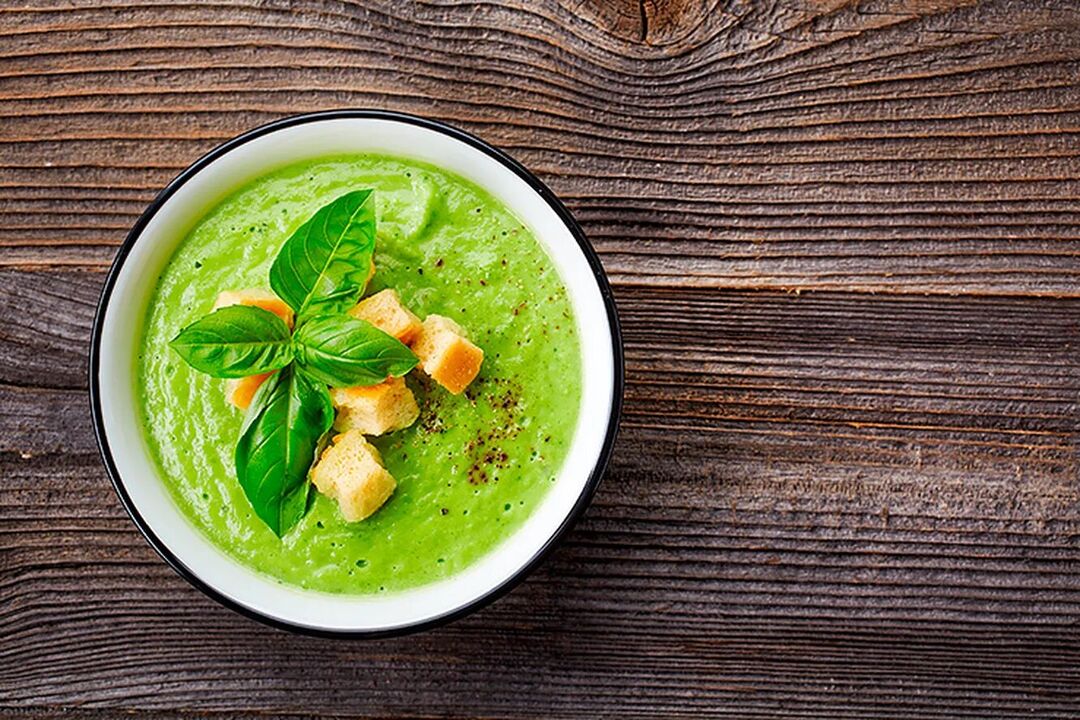
Preparation: Cook vegetables in a saucepan until almost tender.Salt the water, add the cream, stir and cook until the vegetables are completely tender.Use a potato masher or blender to puree the soup.That's it!Chop the vegetables and scatter over the bowl of soup.
Vegetable and meat porridge
Ingredients: Rice, chicken tenders, a handful of broccoli, and a large carrot.
Preparation: Cook rice and chicken breast until medium rare (can be cooked in one pot).Saute broccoli and grated carrots in olive oil, you can also add a little chopped bell pepper.Slice the chicken, mix everything in a baking dish (do not forget to add salt), pour the chicken stock so that it covers the rice and put it all in the oven until cooked.The result is not only delicious, but beautiful.